Breaking Out of Old Patterns

If you’ve looked at most of my quilts on display here, you will have seen that I love free-motion quilting. I sincerely believe that the quilting design is just as important as the pieced and/or appliqued quilt top. While it does not need to be as ambitious as many of my quilt designs end up being, I would love to see all quilters stop and really think about how the overall quilting design can enhance the beautiful work they’ve created, whether they’re quilting it themselves or sending it to a professional longarmer.

I learned to free-motion quilt from taking a Craftsy.com class with Leah Day as well as watching tons of Angela Walters YouTube videos. They provided so much incredibly helpful information and inspiration, but over those first few years I found myself continuing to repeat quilting motifs and patterns I had picked up from them.

As I began creating my own quilt top designs, I realized I needed to start creating my own quilting designs as well, which I would do somewhat randomly, but I kept finding myself defaulting to the “oldies but goodies” that I had originally learned (so many swirls).

I was recently invited to join the Manhattan Quilters Guild which is such an honor. This small guild is made up of incredibly gifted quilt artists, and it has forced me to start rethinking my approach to quiltmaking. I’ve always had a bit of a loosey-goosey process, but if I really want to be taken seriously as an artist, I need to be more intentional from the beginning to the end of each quilt’s journey.

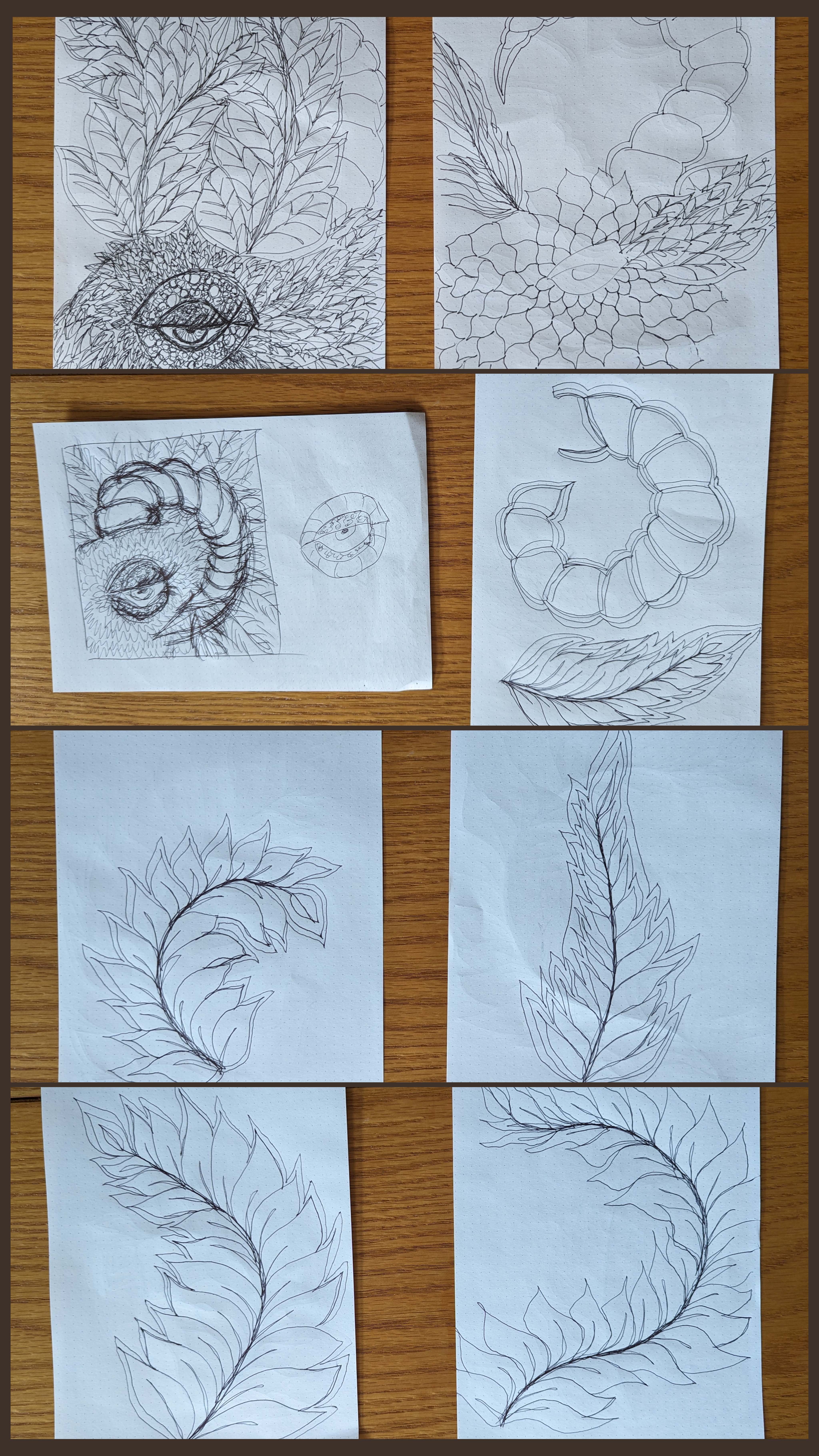
First step, sketch out ideas and just keep sketching. Work it out with paper and pen before actually sitting down at my sewing machine. (In the past, I would often just sit at my machine with a quilt sandwich under the needle as I stared and stared, trying to think of how I wanted to quilt each section.) When I’m sketching out ideas, I do it quickly and move on from each idea, reserving judgment until I’m finished with each session. The idea is not to come up with the perfect design on the first try but to just let my creative juices flow. Perfecting the idea can come later.

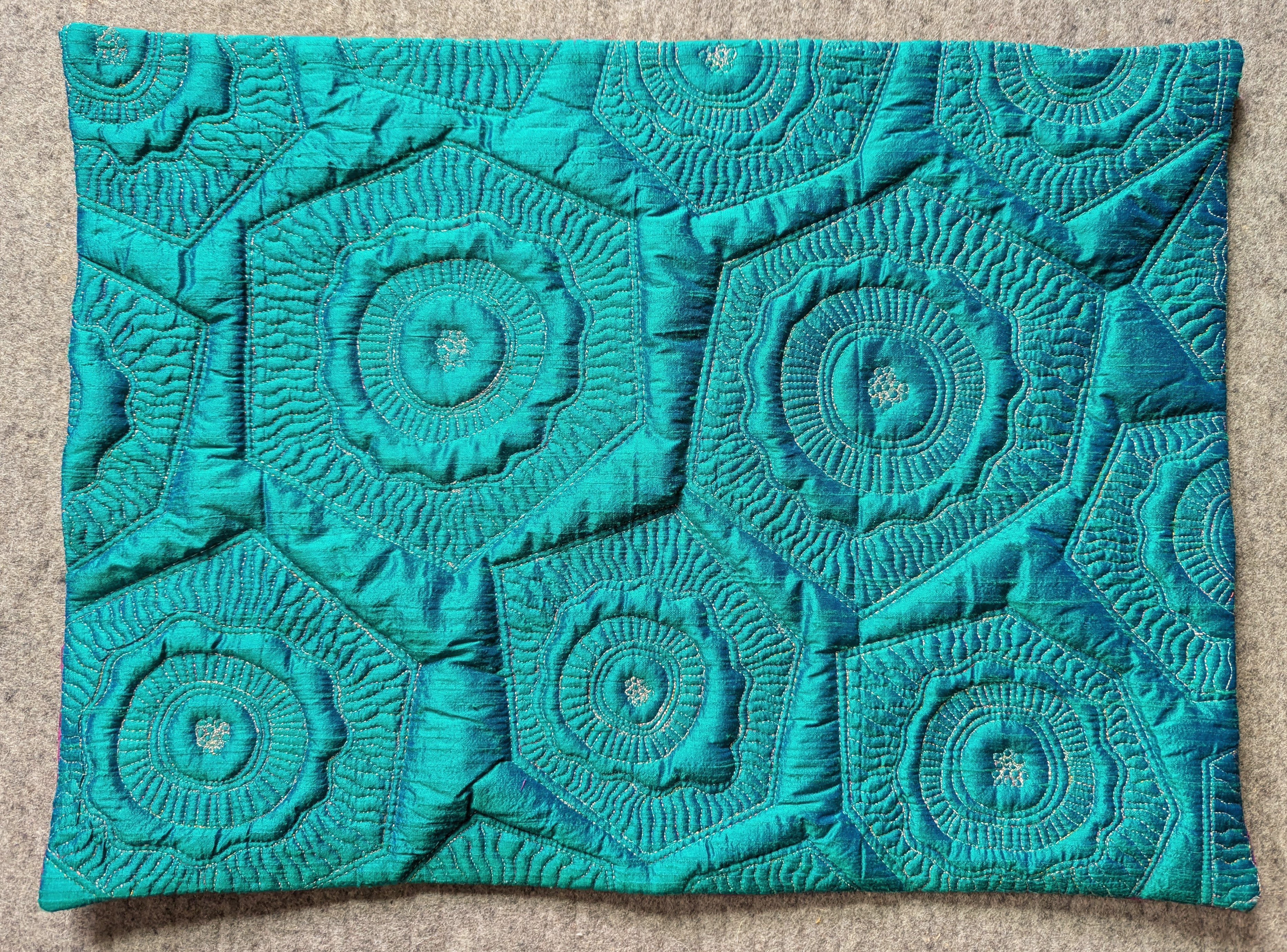
When I find some motifs that I really like, I begin practicing them with actual fabric. Sometimes I want to see how a single overall design motif would work, so I find a decent sized piece of scrap fabric, make a little quilt sandwich, and go to town. In the example below, I chose to practice a motif that involved constantly stopping, cutting thread, starting, stopping, cutting thread, etc. This is not how most free-motion quilting designs work, but I am intentionally trying to come up with completely original designs which means thinking outside of the standard FMQ parameters.
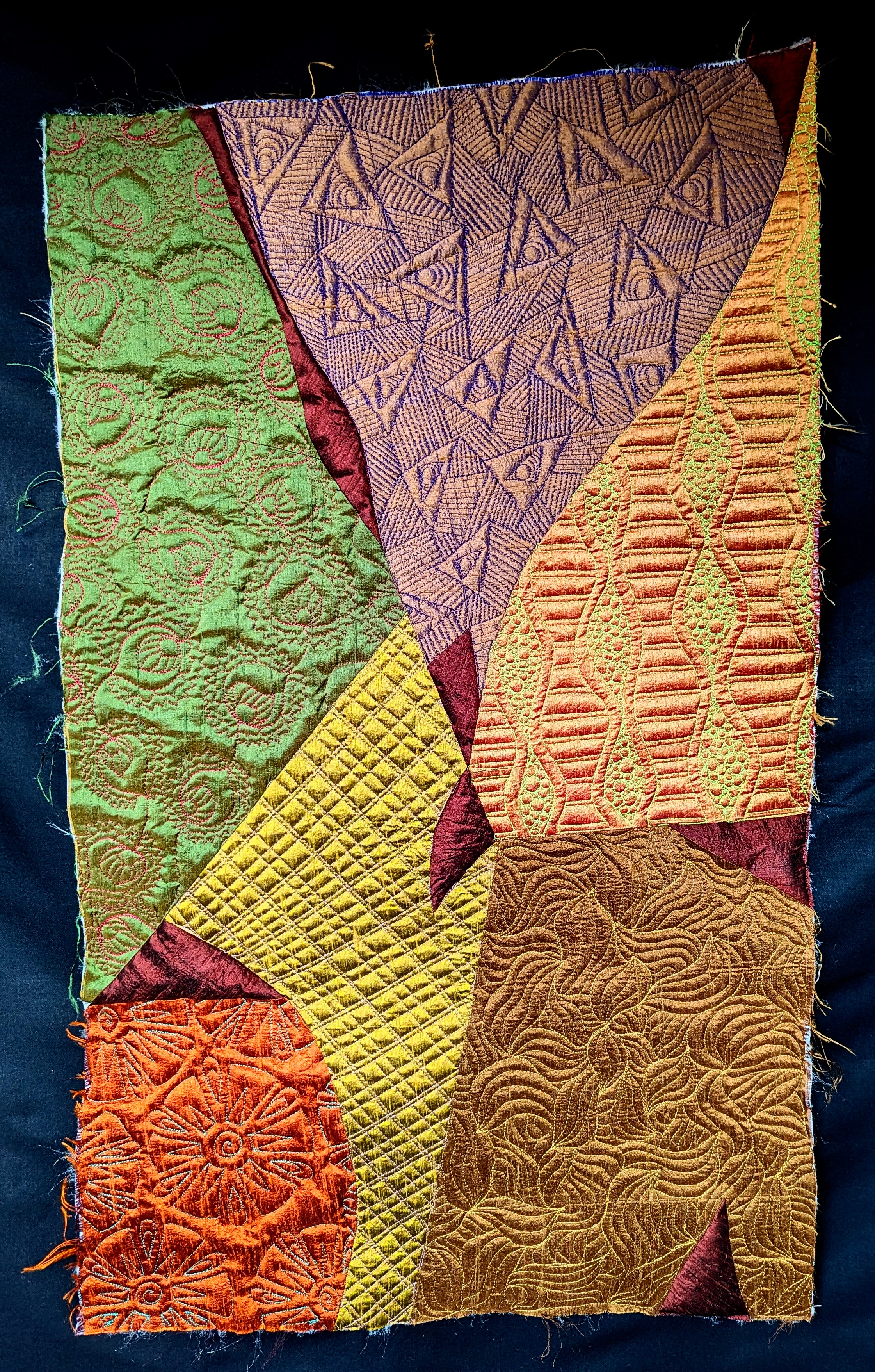
I’m also trying to be more intentional about my improv piecing, which again involves sketching first and then trying to make those sketches come to life with fabric and thread. The example below is the first of what I hope to make into a series called Patterns. I would ultimately like to create a library of these quilts from which I can draw FMQ motif inspiration for future projects.
And so my quilting journey continues. When I made my first quilt in 2017, I really didn’t see myself as a visual artist. I’m quite surprised at where this creative path is taking me, and I’m looking forward to whatever the future holds in store.

All That I Gaze Upon Is Mine

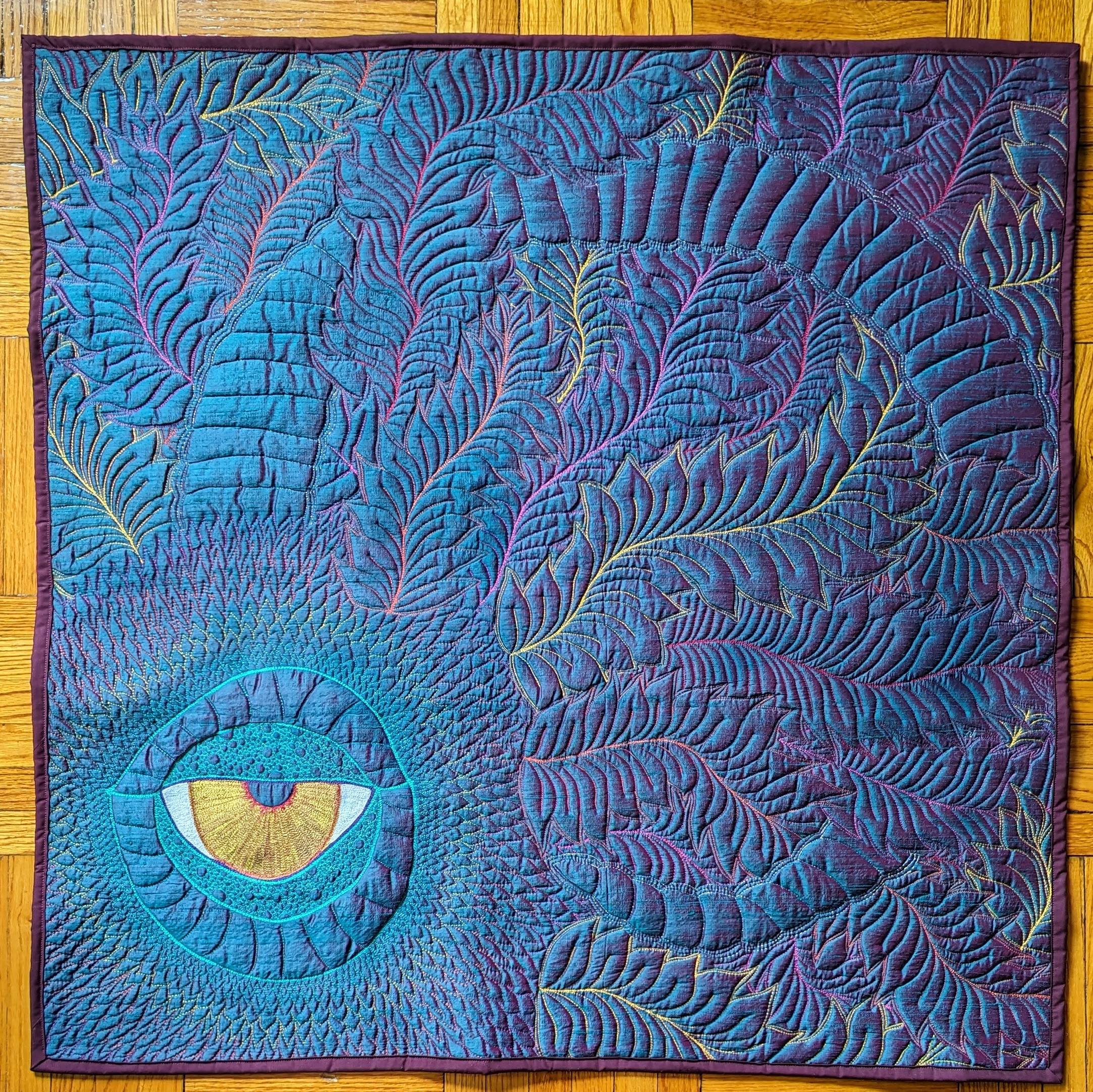
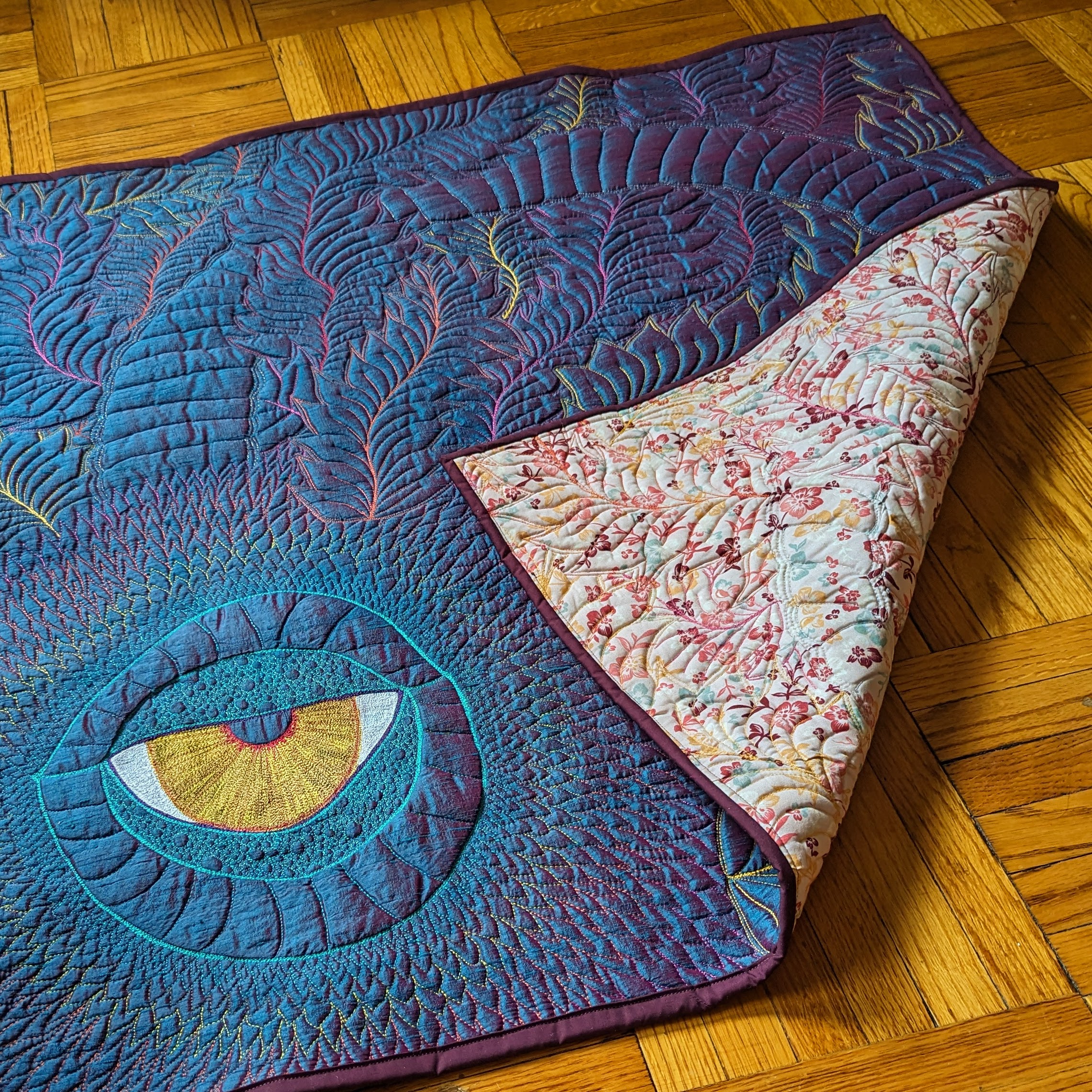
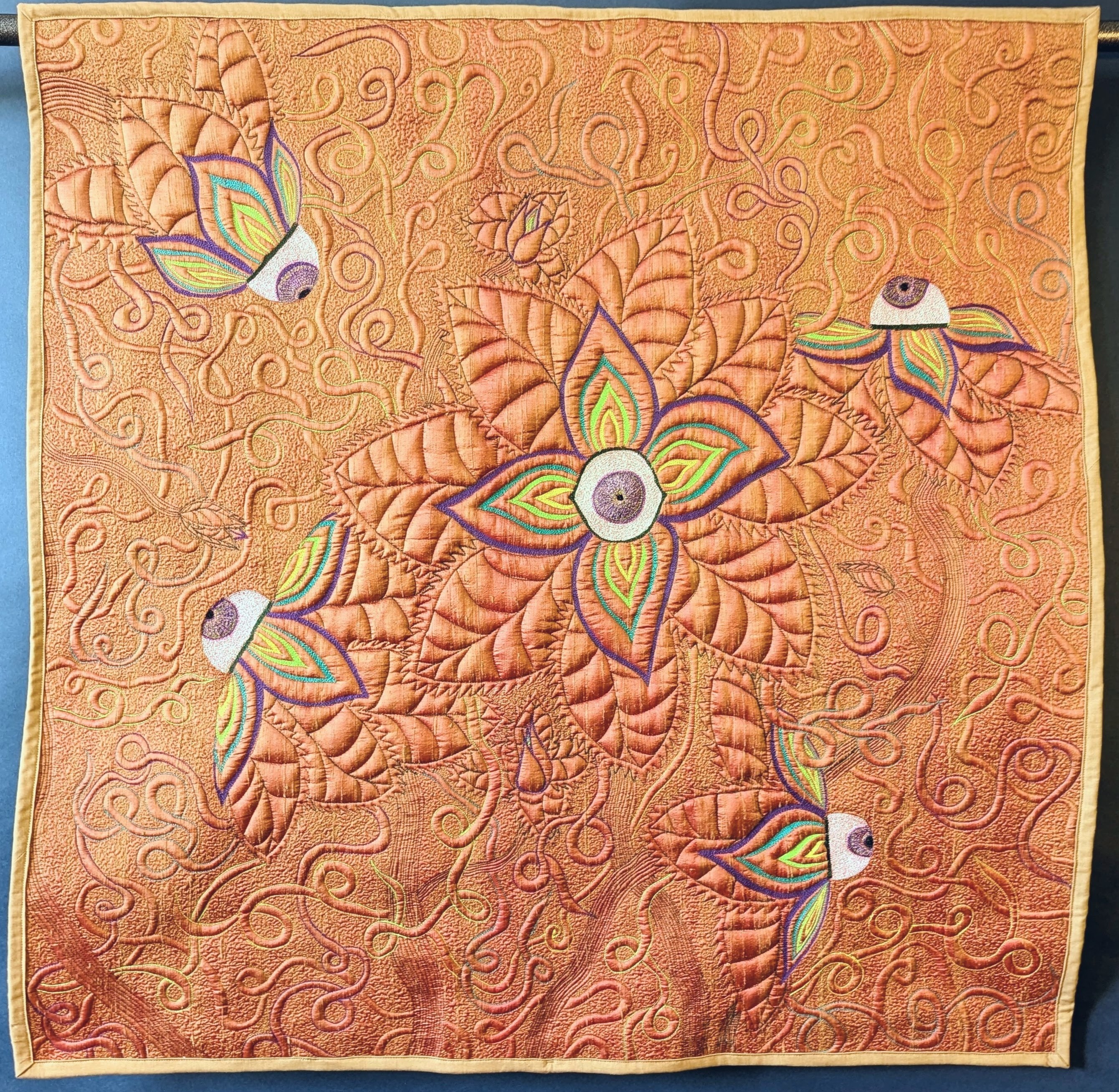
This 36″ x 36″ quilt is the third in what is becoming a series about the seven deadly sins. Our current state of capitalism is an economic system that depends on rampant consumerism and overconsumption of resources for its success, resulting in a world governed by greed. I was consciously and subconsciously inspired by the Beholder from the world of Dungeons & Dragons; Audrey II from Little Shop of Horrors; Frank from Harley Quinn, the animated series; and Venus flytraps.

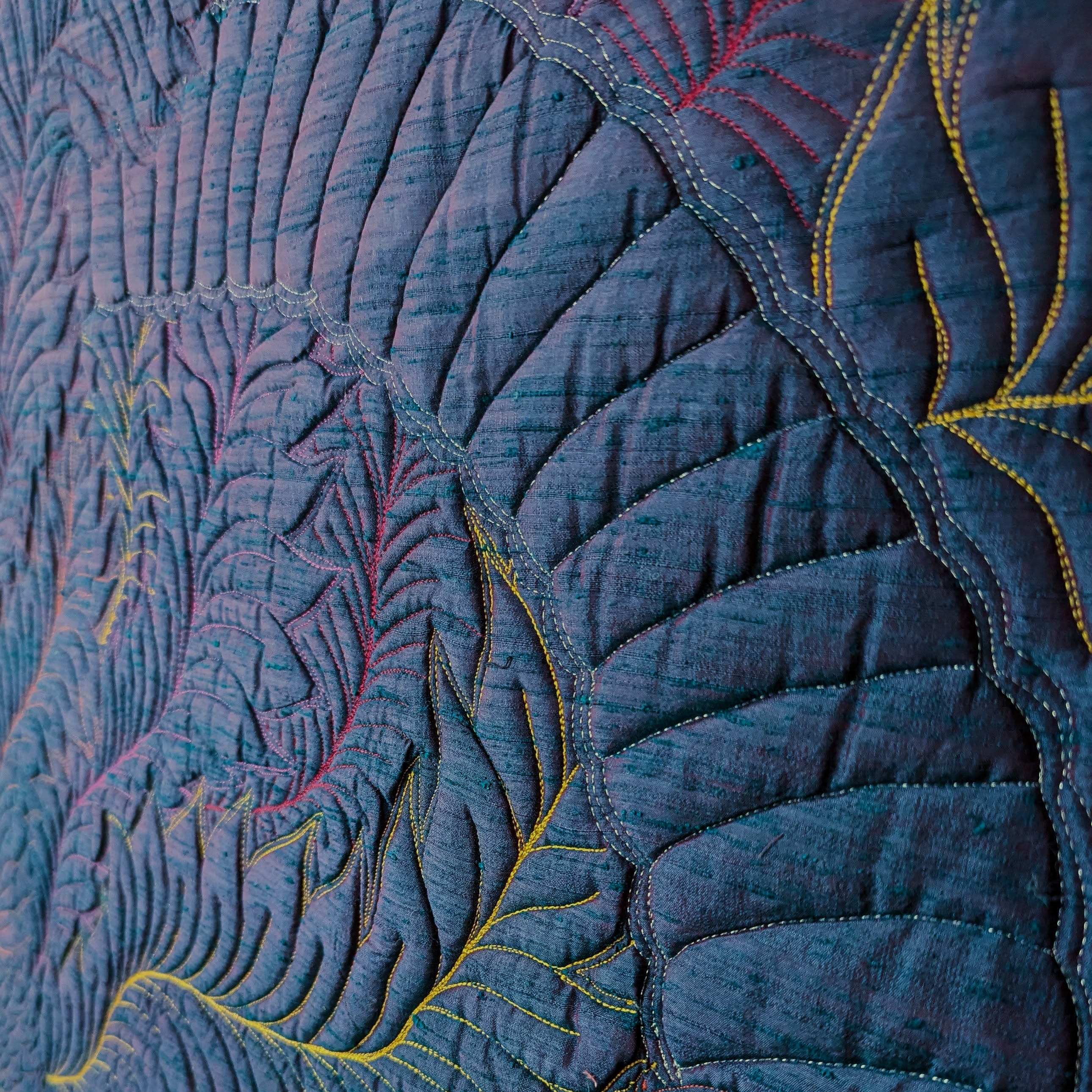
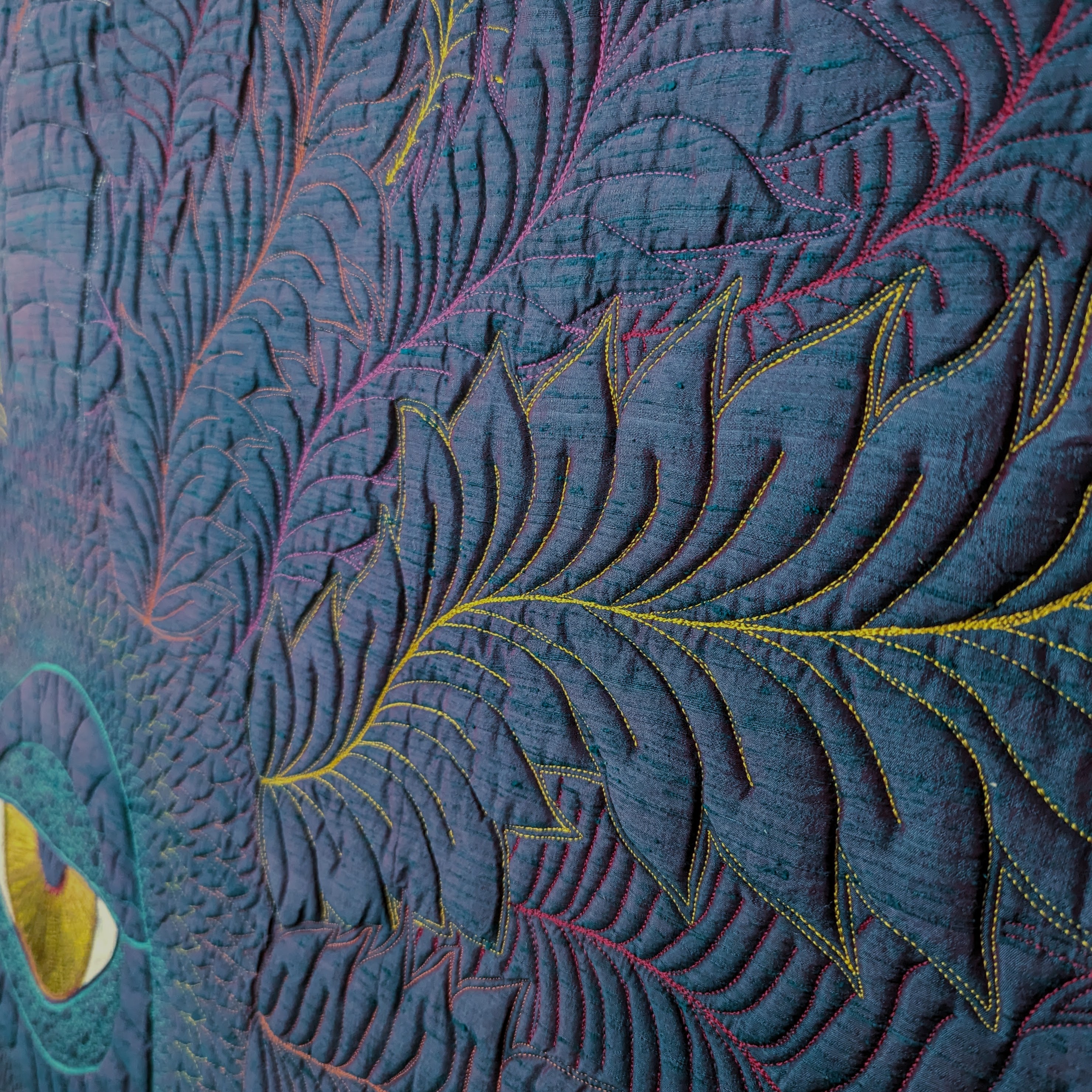
This is a whole-cloth quilt made with dupioni silk and polyester thread. I used the thread painting technique to create the eyeballs and flower petals, and free-motion quilting for the leaves, vines, and background quilting. This quilt was completed in July 2025.

Colored Lights & Confetti


I have become obsessed with dupioni silk over the last few years, and this latest quilt is my most ambitious application of this gorgeous fabric so far. I’ve always admired this nubby, raw-looking silk that shimmers in the light and, depending on how it’s woven, can even change colors when you look at it from different angles. But due to its price and my lack of experience, I shied away from using it in my quiltmaking process until I felt I had mastered enough techniques to not make a total mess of it.

Back in September of 2023, Shannon Reed and I made our annual trek to Oaks, PA for the Pennsylvania National Quilt Extravaganza to ogle the array of gorgeous quilts and, of course, to shop. Country Keepsakes was one of the vendors, and they had an incredible display of dupioni silks and I couldn’t stop thinking about them as we continued wandering through the show. Before we left, I bought two yards of fabric that I eventually turned into a whole-cloth quilt entitled: Behold My Beauty and Weep. (Click this link to read more details about the quilt pictured below.)

I absolutely loved working with this fabric, and I quickly decided I needed more. So when Shannon and I returned to the Extravaganza this past September, I had already planned to purchase another two yards of fabric for another whole-cloth quilt. And then, as luck would have it, I won a $50 gift certificate from the door raffle. Not only did I buy the two yards of silk I originally wanted, but I then added a bunch of fat quarters to my purchase, not sure what I would do with them but so excited to add them to my stash.

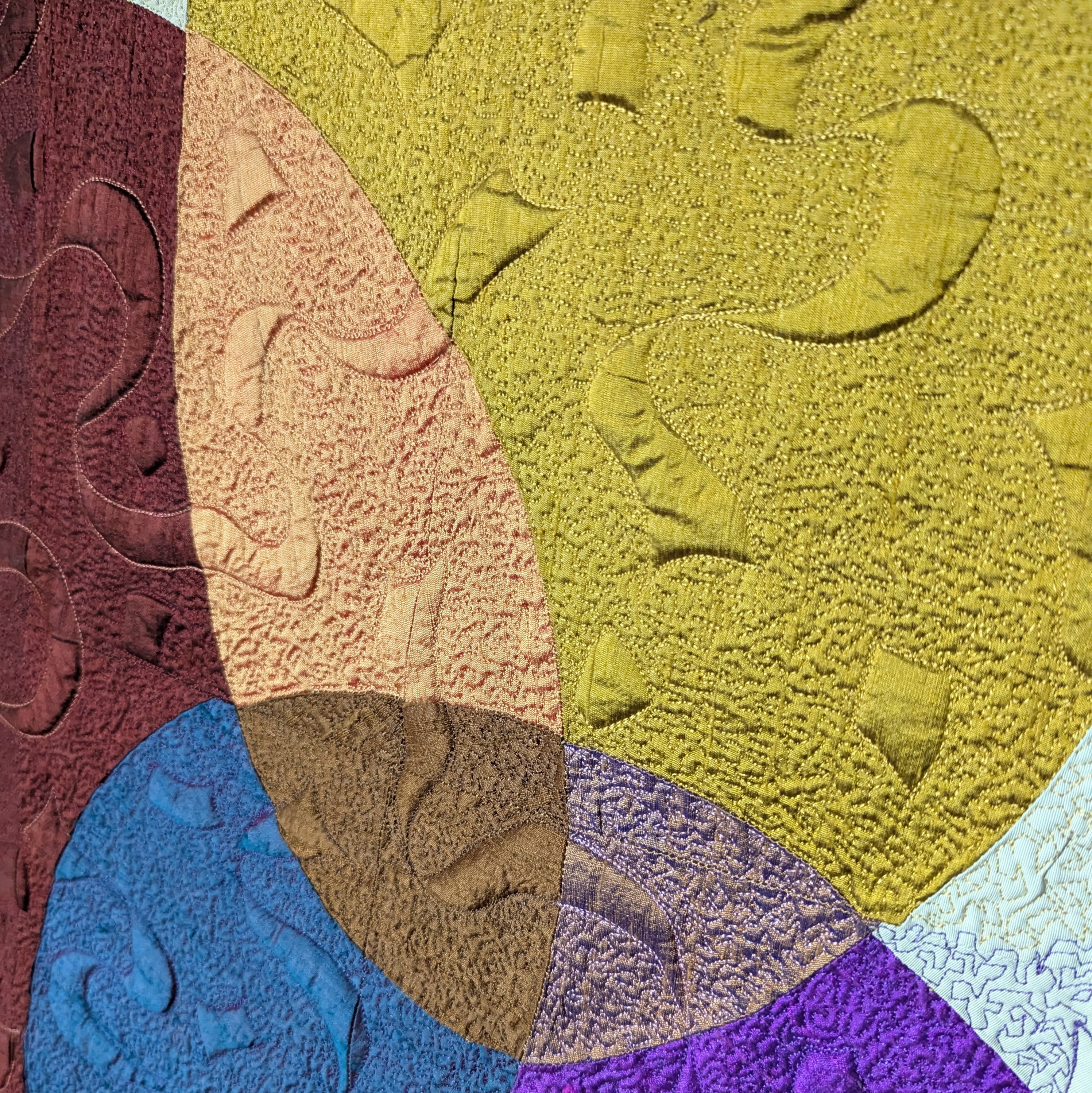
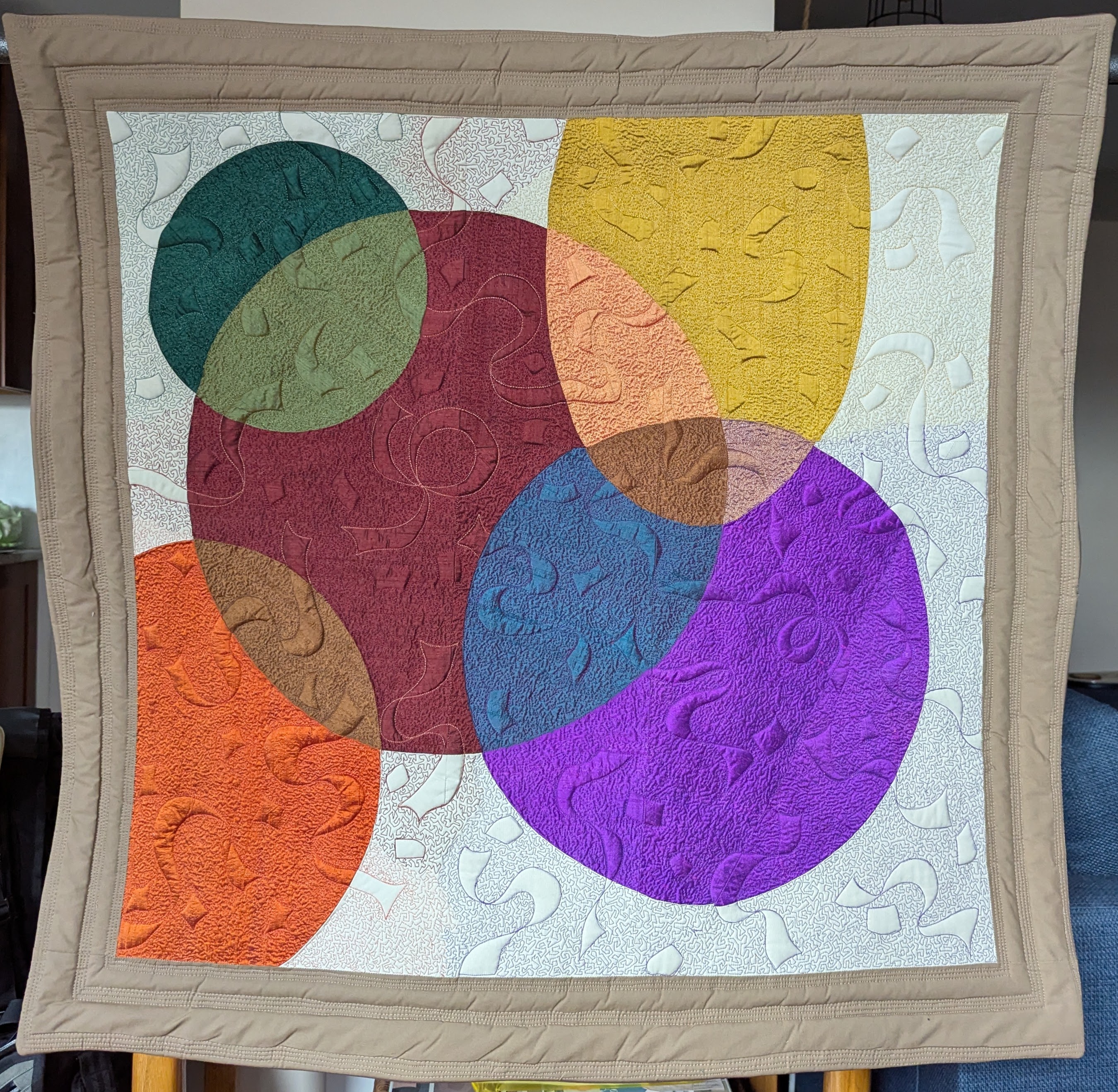
Also around this time, I realized I needed to think of an idea for the Brooklyn Quilters Guild biennial quilt show that would be happening at the end of April 2025. I decided pretty quickly that using my silks would be key in whatever design I came up with. After mulling it over for several days, I decided to try to up my transparency-and-curves-piecing game from when I took a Carolina Oneto workshop a few years prior.

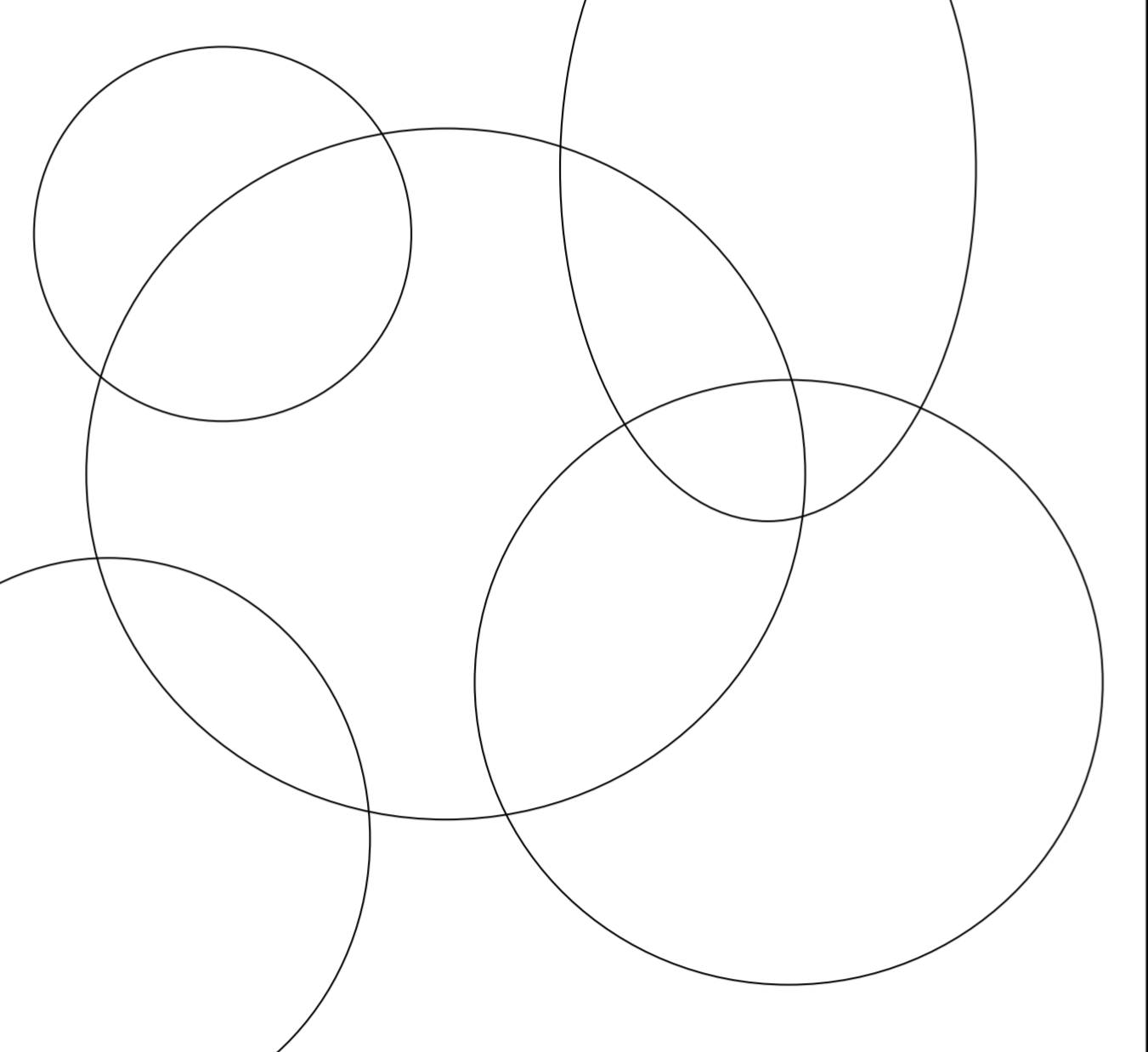
Using Google Docs, I sketched out a few rough ideas of what I had in mind and finally landed on my final design.

Then I gathered all of my dupioni silks and started figuring out how they were going to work together. This is the point where someone who actually plans ahead would have exactly the right colors to make the transparency effect work perfectly, but I am generally not that person. I couldn’t really afford to buy more fabric, so I just worked with what I had. I imagine a color theorist will not approve of my final layout.

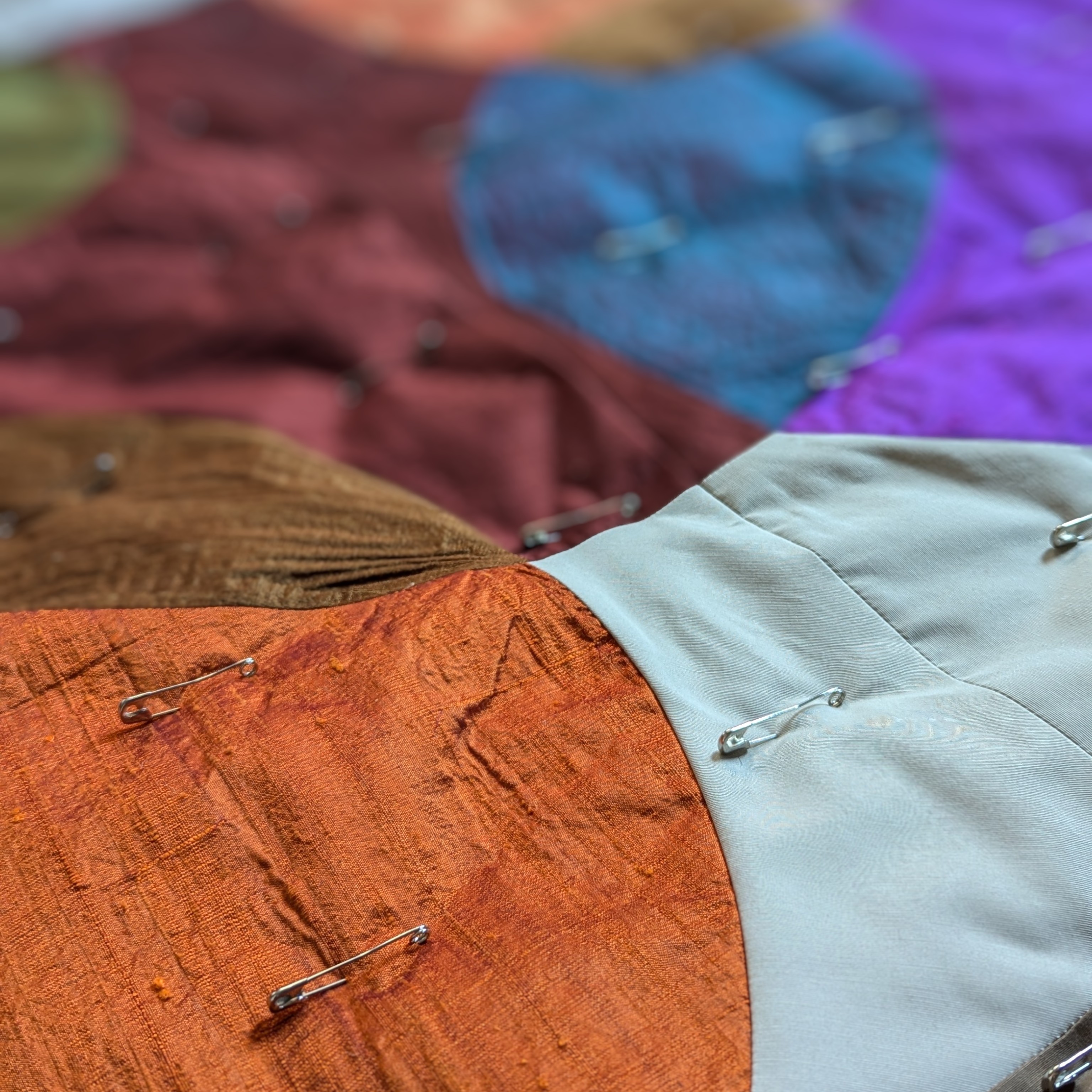
Because I was going to be piecing all of these silks together, I backed it all with a light-weight fusible webbing to prevent fraying. Dupioni silk frays like crazy, so this is a necessary step unless you want to pull all of your hair out during the cutting and sewing process. I then used the techniques I learned from Carolina Oneto’s workshop to recreate my digital sketch into a small quilt top.

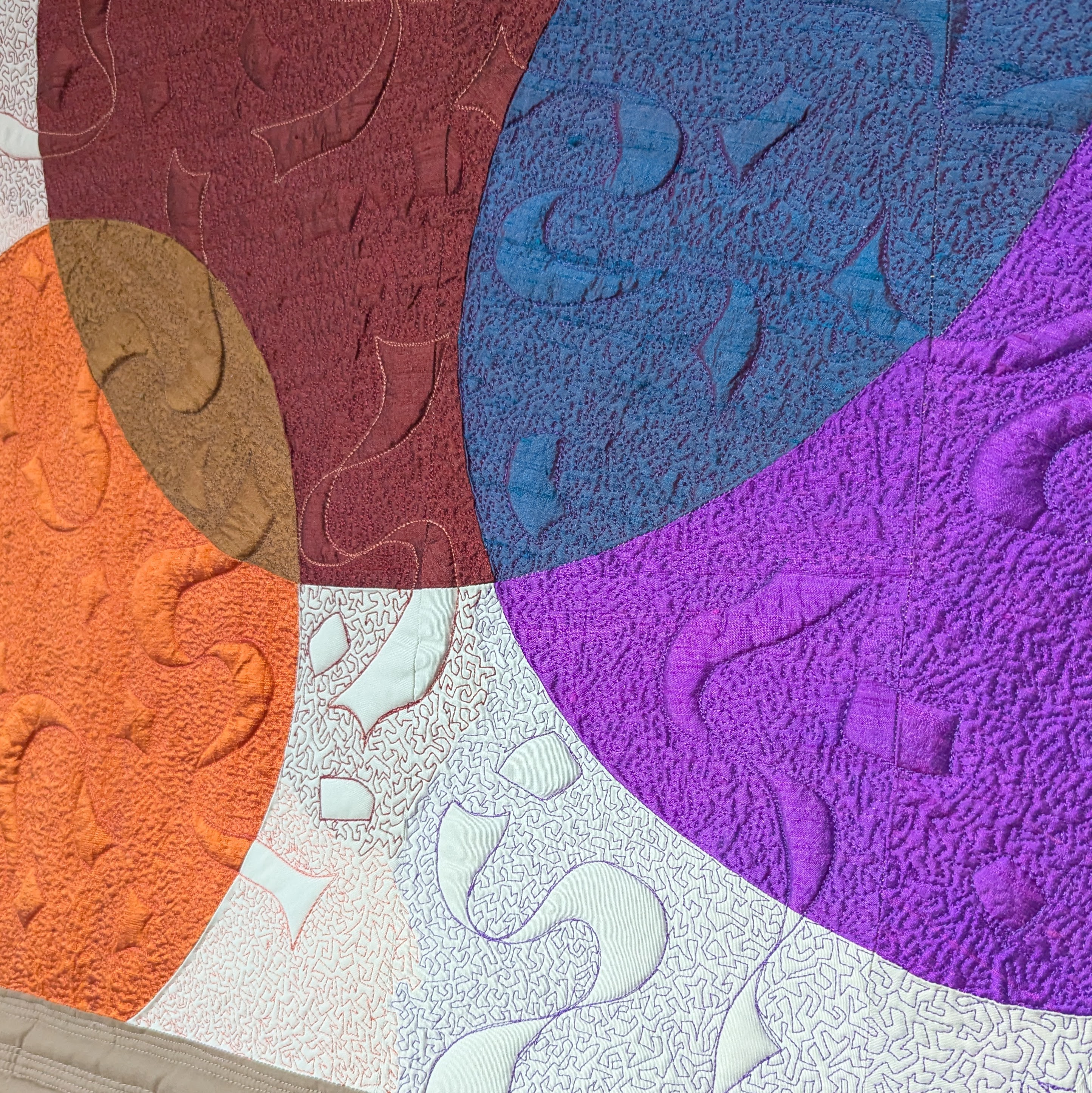
Then it was time to figure out how I was going to quilt it. If you’ve read my previous posts, you know I love free-motion quilting, so that was a no-brainer. I am a big believer that the right quilting design enhances the quilt top, so I had to think about what would make the quilt top pop instead of distract from the beautiful silks. After staring and staring for days at my quilt top, I kept thinking about a dance hall with colored lights reflecting on the walls, which then made me think about a fancy New Year’s Eve party and the moment it strikes midnight and confetti and streamers begin falling from the ceiling.

Using shiny polyester thread, I quilted a sharp stipple pattern over the entire quilt top, interspersing confetti and streamer sections that puff up next to the densely quilted areas. I then quilted straight lines in the border to evoke a wooden frame effect surrounding the center design. And thus Colored Lights & Confetti was complete.

This will be on display at the Brooklyn Quilts! 2025 show on April 26 & 27, along with my what are you afrAId of? quilt which I posted about earlier this month. If you’re in the New York area the last weekend of April, you should come out and see the over 200 beautiful quilts that will be on display, along with raffles, vendors, workshops, and more. Feel free to reach out with any questions or comments, and keep making!

what are you afrAId of: Quiltmaking and Artificial Intelligence

Back in early 2024, all I was hearing about was generative AI and how it would change the world. There has been so much debate about whether the changes would be good, bad, beneficial, destructive, or all of the above. This debate has been quite intense in the art world, though maybe not so heavily discussed in the quilting world. Because of my day job as a transcriber, I have been well aware that technology will be replacing me at any point, but I had never really considered how it could affect my creative endeavors until I started seeing everyone’s experiments with image generators. I decided to find out for myself just how afraid or excited I should be about using this cutting-edge technology in combination with a millennia-old craft and art form.

The Brooklyn Quilters Guild had an outdoor fence show in the autumn of 2024 that was titled The Stories We Tell: Folklore, Fantasy, and Folly! I almost immediately had an image come to mind when I started thinking about quilt ideas for this show. I imagined a person staring into a cracked mirror. The reflection’s arm is reaching through the mirror holding some sort of object representing power. Kind of a “Snow White/Through the Looking Glass/Garden of Eden” type deal. The problem with this idea was that I do not have the artistic skills necessary to draw the kind of image I wanted to create, so what a perfect time to dip my toe into the world of generative AI, right?

I decided the best way to transfer what I was imagining into an actual quilt would be to use the raw-edge appliqué technique. Interestingly, this technique already takes advantage of quite a few forms of technology that weren’t available to quilters of yore. You generally use double-sided fusible interfacing if you’re creating a raw-edge appliqué design. Many folks use photographs as the foundation of their quilt images. Then you can use a printer or a projector to trace the portions of the photograph into the different sections you’ll eventually appliqué together. So why not add a little generative AI into the mix? It’s actually not that big of a leap when you really think about it.

Next, I had to choose a program to create the image. After a relatively quick Google search, I opted for Microsoft Image Creator (which is now called Microsoft Designer). I chose this program because it was free and offered unlimited prompts (I’m not sure if that’s still the case today).

I entered my first prompt:

gilt frame antique mirror with shattered glass reflecting the image of a person and a hand reaching out holding an apple

I proceeded to tweak the prompt 12 more times. I’ve posted all of the resulting images below.

My final prompt was:

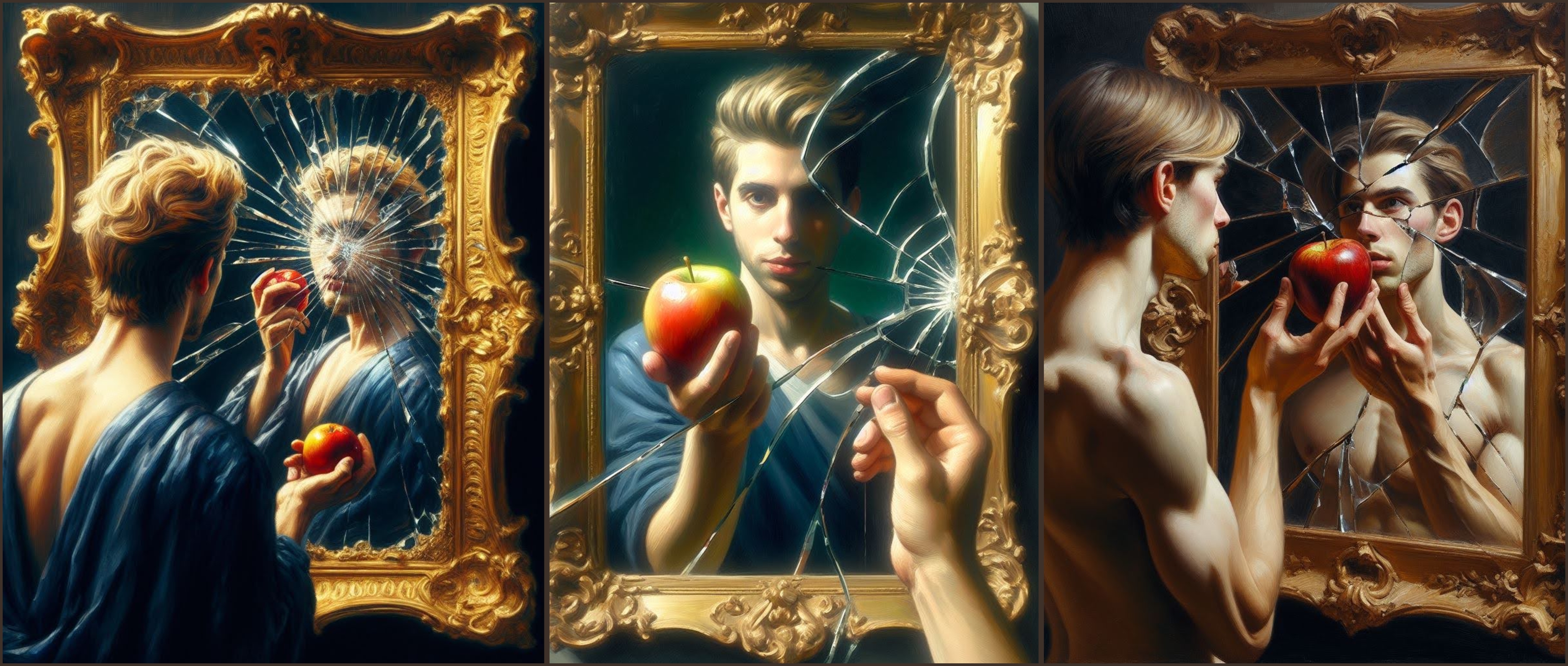
in the style of an oil painting, a nonbinary person staring into a shattered gilt frame antique mirror set at an angle. A completely separate hand holding an apple coming out of the mirror

These were the three images that came closest to what I was picturing in my mind.

While none of these images were exactly what I wanted, I decided the one on the far right was close enough and I could make changes as I was putting it all together. You may also notice that all of the figures are holding an apple. I had no plans to use an apple as my symbol of power, but “flame-like blob of power” was a little too abstract for the image generator.

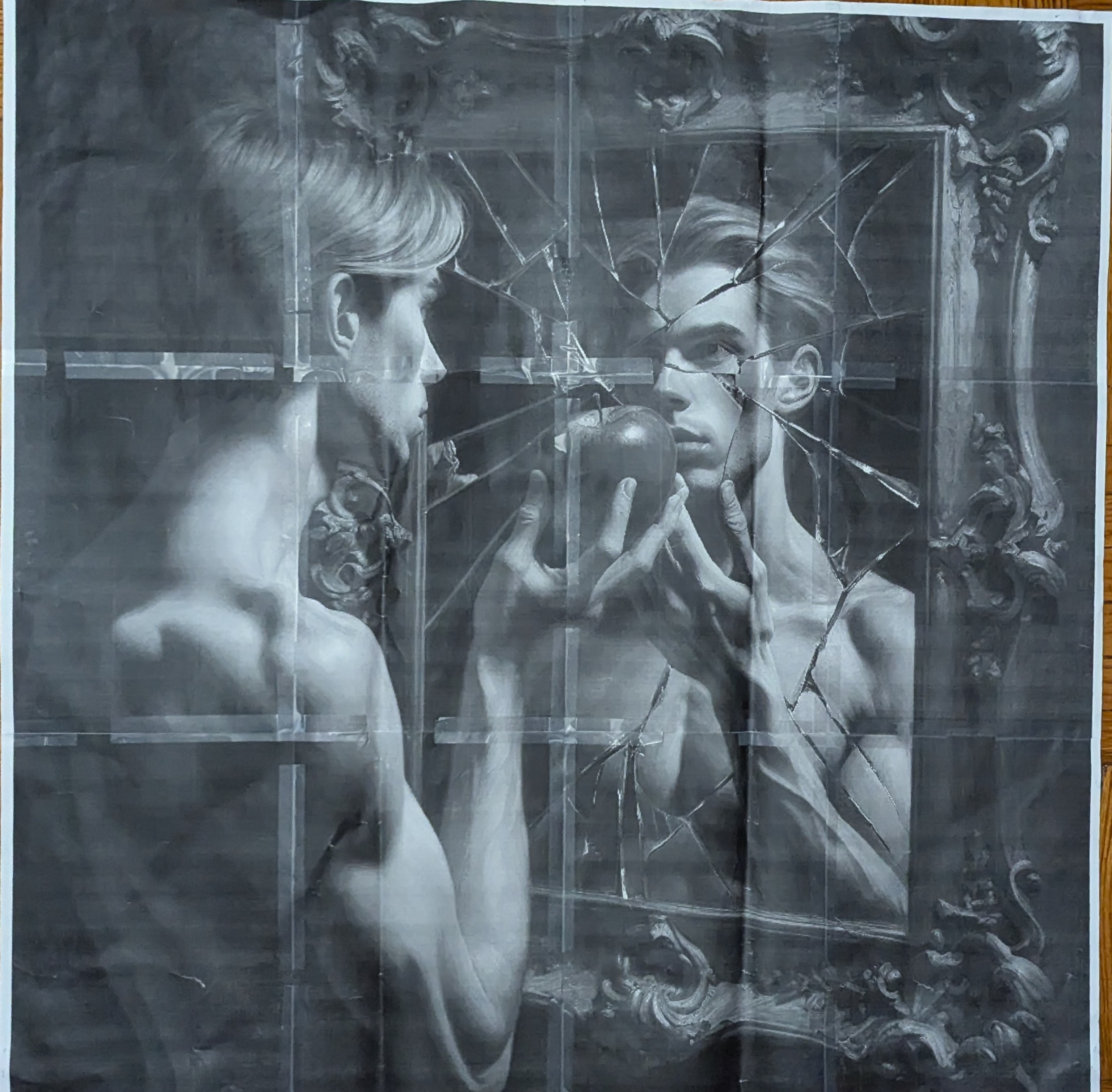
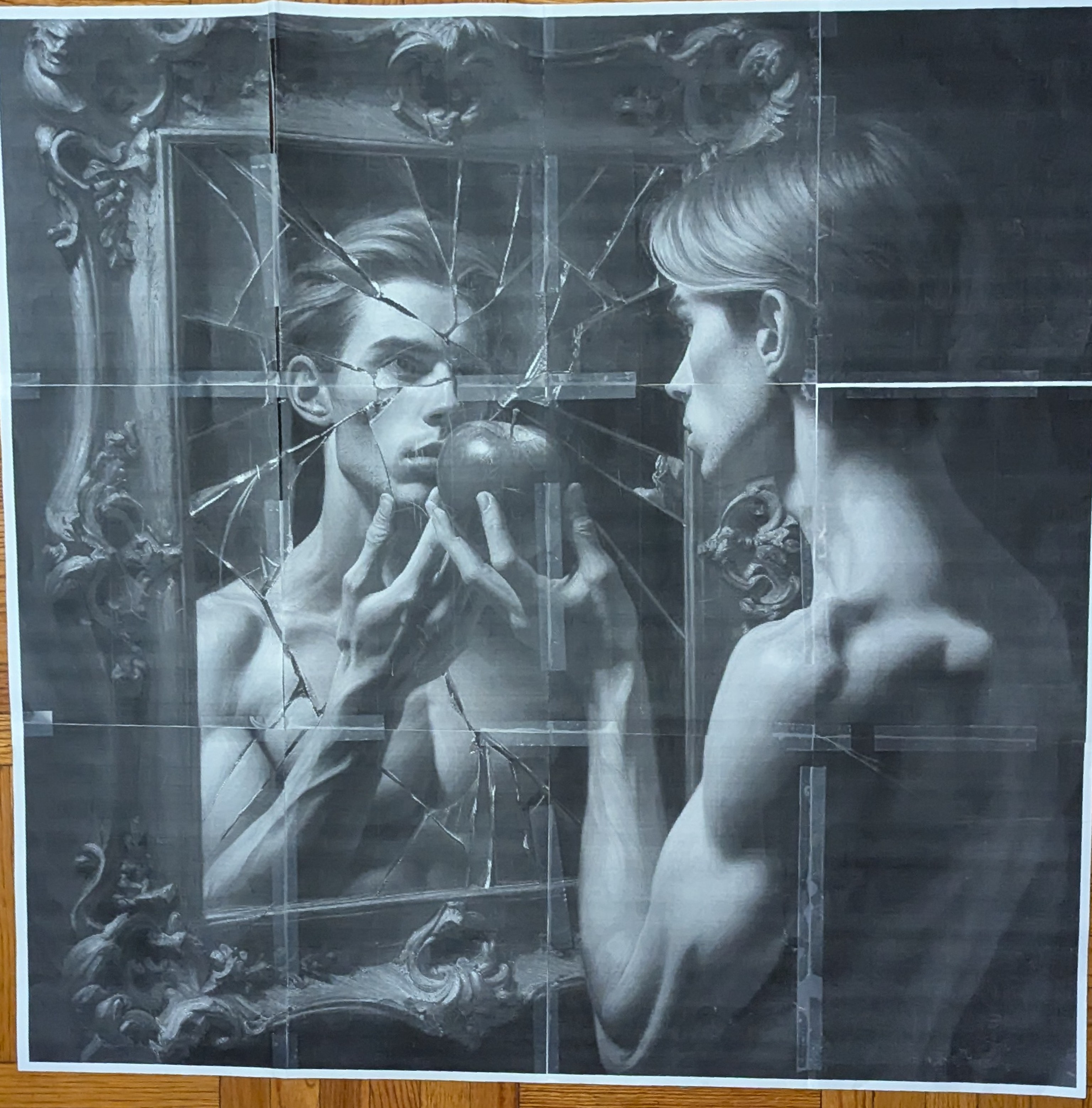
Once I chose my image, I used Blockposters.com to enlarge the image to the size I wanted and then printed it out on my black-and-white printer. And because I was using the raw-edge appliqué technique, I needed to mirror the image and print out that version as well since everything you trace on the back of your fused fabric will reverse once you start putting all the pieces together. I suppose I didn’t have to print out the non-mirror image, but I found it very useful to have the full-sized image on hand as a reference when I started putting all of my many bits of fabric together.

I won’t go into all the nitty-gritty details of how one creates a raw-edge appliqué quilt (there are tons of online videos/workshops/classes if you’re interested), but I will say this was by far the most ambitious raw-edge appliqué quilt I’ve ever attempted and it was exhausting. I don’t know how all y’all do it! Respect.

This is how my quilt turned out.

You can see that it looks fairly different from the final AI-generated image I chose. I intentionally tweaked the design as I was cutting the little bits of fabric out and deciding what details from the original image could be ignored and what details needed to be changed. While I can genuinely say the final product is my own design, I never could have gotten to this point if I hadn’t used the AI-powered image generator.

So after all of this, how do I feel about using AI in my making process? I’d say I’m pretty jazzed about it. For someone who has limited drawing skills, I am looking forward to experimenting further with AI image generators used as a tool to help me create more projects like this one. From an ethics point of view, I do believe one should be transparent about how AI was used in the process of creating a work of art, but I believe it can be used as a transformative technology to help create fascinating results.

Quilting Process: Behold My Beauty and Weep

I just finished a quilt and figured I might as well blog about the process I went through to create it. Please feel free to reach out with any questions!

I belong to the Brooklyn Quilters Guild and ever since the COVID pandemic, we’ve been holding small outdoor quilt shows where we hang our quilts on the rod-iron fence that surrounds the block where we have our monthly meetings. Check out our YouTube channel to see videos of our past fence shows!

We will be having our next fence show sometime in the early fall of 2024, and the theme is The Stories We Tell: Folktales, Fantasy & Folly. I was very excited when I heard the theme because I am a huge fantasy/sci-fi fan. I immediately started thinking of whole-cloth quilt ideas with images of dragons and other mythical creatures floating in my mind. However, my drawing skills are still fairly rudimentary, and I quickly realized my ability to free-motion quilt a dragon isn’t quite there yet. So then I thought about a quilt I made in 2023 for a different guild challenge which is pictured below. The idea behind that quilt was a scaled and feathered creature staring out at the viewer.

Green fabric that has been heavily quilted to look like a large eye staring through feathers.

I had also purchased two yards of beautiful raw silk from a quilt show in the fall of 2023. I knew that was the fabric I wanted to use along with some pools of polyester thread that would shine beautifully on the finished quilt. I love free-motion quilting feathers, so I decided to do an online search for images of “feathered dragons.” The images that came up right away were Quetzalcoatl, the Mesoamerican mythological figure that is often referred to as a feathered serpent that flew through the air and provided rain for crops, among many other abilities. Using those images as my starting point, I started sketching out ideas with pen and paper until I was ready to work with my actual fabric.

I pin basted the gorgeous raw silk together with a very high-loft batting and my cotton print backing fabric. Then I took small pieces of all three layers and tested out the different colors of polyester thread that I thought about using to see what colors would work best. I quickly saw that the green and purple threads didn’t stand out enough for the overall design I had in mind. I loved how the warmer colors worked, so I decided the feathers were going to be red, pink, orange, and yellow. And because the raw silk generally looks blue (though sometimes magenta depending on the angle and lighting), I knew I wanted the large eye to contrast so I decided to make a yellow-orange eye with red highlights.

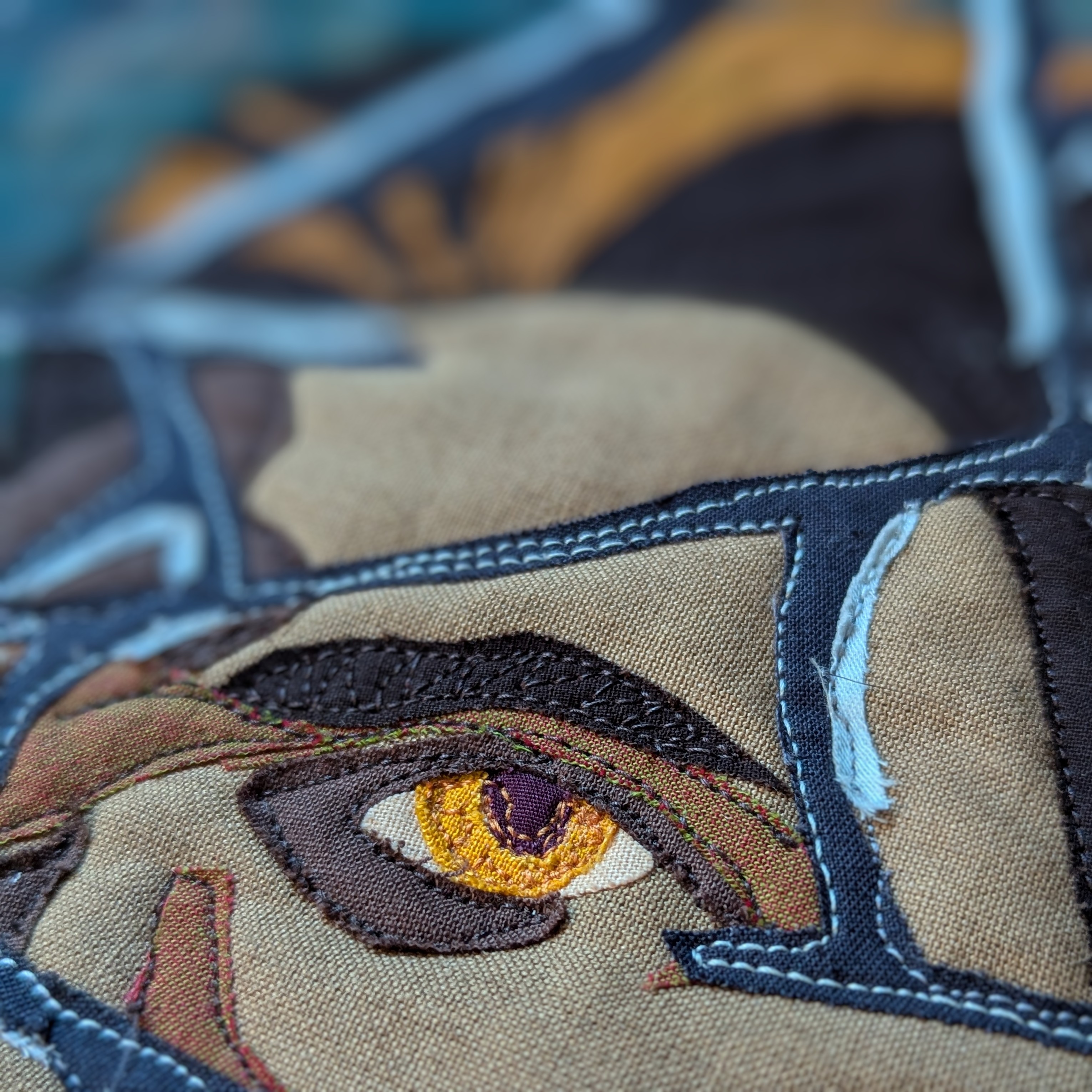
Once I had made those design decisions, I began the actual thread painting and quilting. I used the same general process as I did with my O, beware . . . quilt. I started by thread painting the eye. I layered several different colors of thread on top of each other to create the iris of the eye, which gives depth and plays with the light beautifully, much more so than if I had just used a single thread color. Once the eye was finished, I used silver metallic thread to create the horn (which is not a feature of the typical Quetzalcoatl images you typically see).

I didn’t love the overall look of the horn, but I decided to start working on the feathers and see if that would change how I felt. After I quilted the first couple of feathers, I realized I needed to pick out two sections of the horn and quilt some feathers in front of it while the rest stayed behind it. I hate picking out quilting threads and usually avoid it at all costs, but I knew this would make a huge positive difference. And it turns out I was 100% correct. I was much happier with the overall design of the quilt once I had some feathers quilted on both sides of the horn.

Once the whole thing was quilted, I needed to block my quilt. I set up my ironing board with my full-length wool pressing pad, turned the quilt backside up, drenched a tea towel with water, wrung it out, and then ironed the back of the quilt in sections with the wet towel in between. This is a blocking process I used when I crocheted a sweater several months ago, and it works really well. I then hung the quilt from my photo stand and used rubber covered clamps to stretch the quilt out from the top and bottom corners. In the future, I need to figure out a way to attach clamps on all four sides so that the quilt will dry perfectly flat. But this time I did what I was able to do, and the quilt dried pretty flat.

The quilt needed to finish at 36″ x 36″, but I intentionally created a larger piece because such dense thread painting and free-motion quilting will shrink the overall quilt size quite a bit. I still ended up having to cut off about two inches of fabric from both sides when I squared it all off, but I think that tightened up the overall composition of the piece which was nice.

And then I made a totally rookie mistake with the binding. I was halfway around the quilt when I realized I had started machine sewing the binding on the back of the quilt rather than the front. Normally, I like to machine sew the binding to the front of the quilt and then hand sew the rest of the binding to the back of the quilt. Since I was already halfway around, I decided I was going to use this mistake as an opportunity to practice my machine binding. So I went ahead and sewed the entire binding with my machine. And wouldn’t you know it, the more often you practice something, the better you get! My machine binding is starting to look pretty good these days. And it sure saved me TONS of time! So that’s the whole process for how this quilt came into existence. Reach out with any questions and thanks so much for going on this journey with me.

Behold My Beauty and Weep

This 36″ x 36″ quilt was made for the 2024 Brooklyn Quilters Guild fence show, which is entitled THE STORIES WE TELL: Folktales, Fantasy & Folly. I knew I wanted to do something similar to my O, Beware… quilt with some kind of creature staring out through scales or feathers, etc. While looking for images of feathered dragons, I became intrigued with illustrations of Quetzalcoatl from Mesoamerican mythology. I used that as my inspiration, but I did not try to make any sort of authentic representation, as can be seen most blatantly by my addition of a horn.

The fabric is raw silk that changes from deep blue to magenta depending on the viewing angle and how the light hits it. Almost all of the thread is polyester except for the horn, which is a silver metallic, and the whites of the eye, which is cotton.

My Existence Is Not Political

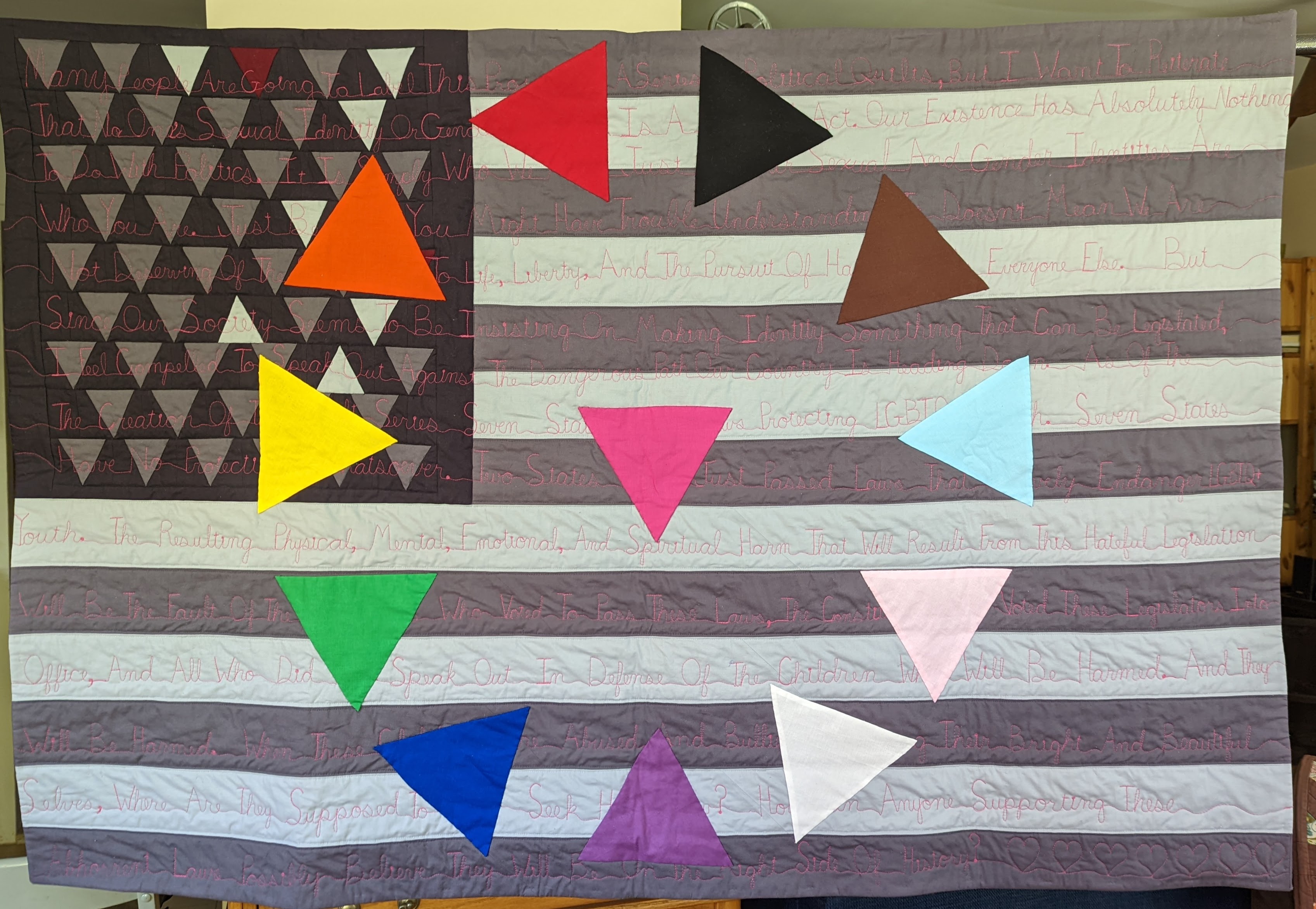
This 64″ x 44″ quilt is one of a series of three quilts I’m creating in response to the anti LGBTQ+ legislation happening in the country. As of the creation of this quilt in April 2022, Florida and Texas have enacted laws that will harm LGBTQ+ youth. Politicians in other states are trying to follow suit. California and Colorado currently have the most protections for LGBTQ+ youth in the country. They are represented by the two right side up light gray triangles in the field of “stars” in the upper left-hand corner of the quilt.

I am not a very outspoken person by nature and creating these quilts is not nearly as helpful as the amazing folks doing the brutal work of fighting back against this legalized bigotry, but this is a very minimal way I can contribute.

I’m appropriating the upside down pink triangle motif that homosexuals were required to wear in Nazi Germany. In the early 1980s, Avram Finkelstein, Charles Kreloff, Jorge Socarrás, Brian Howard and Chris Lione, and Oliver Johnston created the Silence=Death poster, turning the triangle right side up and changing the color to a hot pink/fuchsia. They wanted to change the symbol from one of victimization to one of empowerment. And their poster has become an instantly recognizable call to action in the LGBTQ+ community. However, I’ve flipped the triangle back to its original orientation as a stark reminder that history repeats itself.

The actual quilting consists of the following statement.

People are going to label this project as a series of political quilts, but I want to reiterate that no one’s sexual identity or gender identity is a political act. Our existence has absolutely nothing to do with politics. It is simply who we are, just as your sexual and gender identities are who you are. Just because you might have trouble understanding it doesn’t mean we are not deserving of the same right to life, liberty, and the pursuit of happiness as everyone else. But since our society seems to be insisting on making identity something that can be legislated, I feel compelled to speak out against the dangerous path our country is heading down. As of the creation of this quilt series, seven states have laws protecting LGBTQ+ youth. Seven states have no protections whatsoever. Two states have passed laws that actively endanger LGBTQ+ youth. The resulting physical, mental, emotional, and spiritual harm that will result from this hateful legislation will be the fault of the legislators who voted to pass these laws, the constituents who voted these legislators into office, and all who did not speak out in defense of the children who will be harmed. And they will be harmed. When these children are abused and bullied for being their bright and beautiful selves, where are they supposed to go to seek help now? How can anyone supporting these abhorrent laws possibly believe they will be on the right side of history?

O! beware…

“O! beware, my lord, of jealousy;
It is the green-ey’d monster, which doth mock
The meat it feeds on.” –
Othello, Act III, scene 3, William Shakespeare

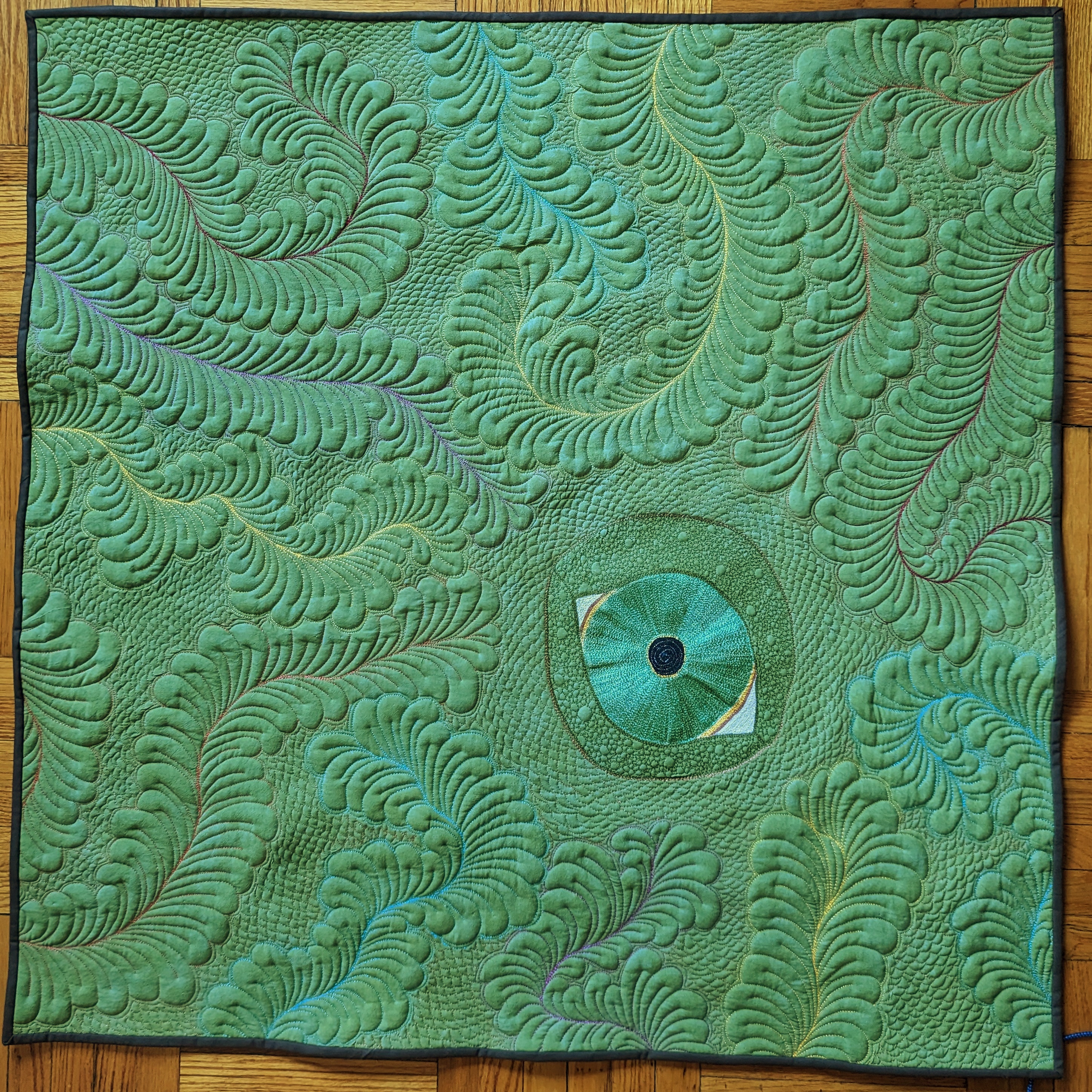
This 36″ x 36″ quilt was created as part of the “Going Green” Presidents’ Challenge for the 2023 Brooklyn Quilts! show. The only parameters of the challenge were that each quilt measure 36″ x 36″ and feature the color green. I decided to take my inspiration from Iago’s quote about jealousy being a green-eyed monster.

In this era of social media, I am constantly struggling with the balance of finding inspiration from my fellow creators with being insanely jealous of their various successes. I wanted my embodiment of envy to be both beautiful and slightly scary. We’re often drawn by others’ charisma, but our attraction can go to a dark place so easily.

I used a single piece of Cherrywood fabric and a high loft batting that were quilted together with various colors of polyester threads. I used the thread painting technique to create the monster’s eyeball and then free-motion quilted the rest.

Scarcity

This approximately 36″ x 36″ quilt was created for the Brooklyn Quilters Guild Earth Day fence quilt show. I used improv piecing to create a feeling of water gradually disappearing into nothingness. I then used free-motion quilting to outline the word “water” which is only slightly visible, symbolizing how this essential resource is disappearing around the world due to climate change and human-caused disruption.

According to the United Nations, one-sixth of the world’s population currently lives in areas of water scarcity, including parts of the United States. These numbers will only increase as climate change continues to affect the global environment. Though New Yorkers live in a seemingly water-rich area, it is important to be aware of our own water usage as part of our overall conservation procedures. Clean water is a universal human right.

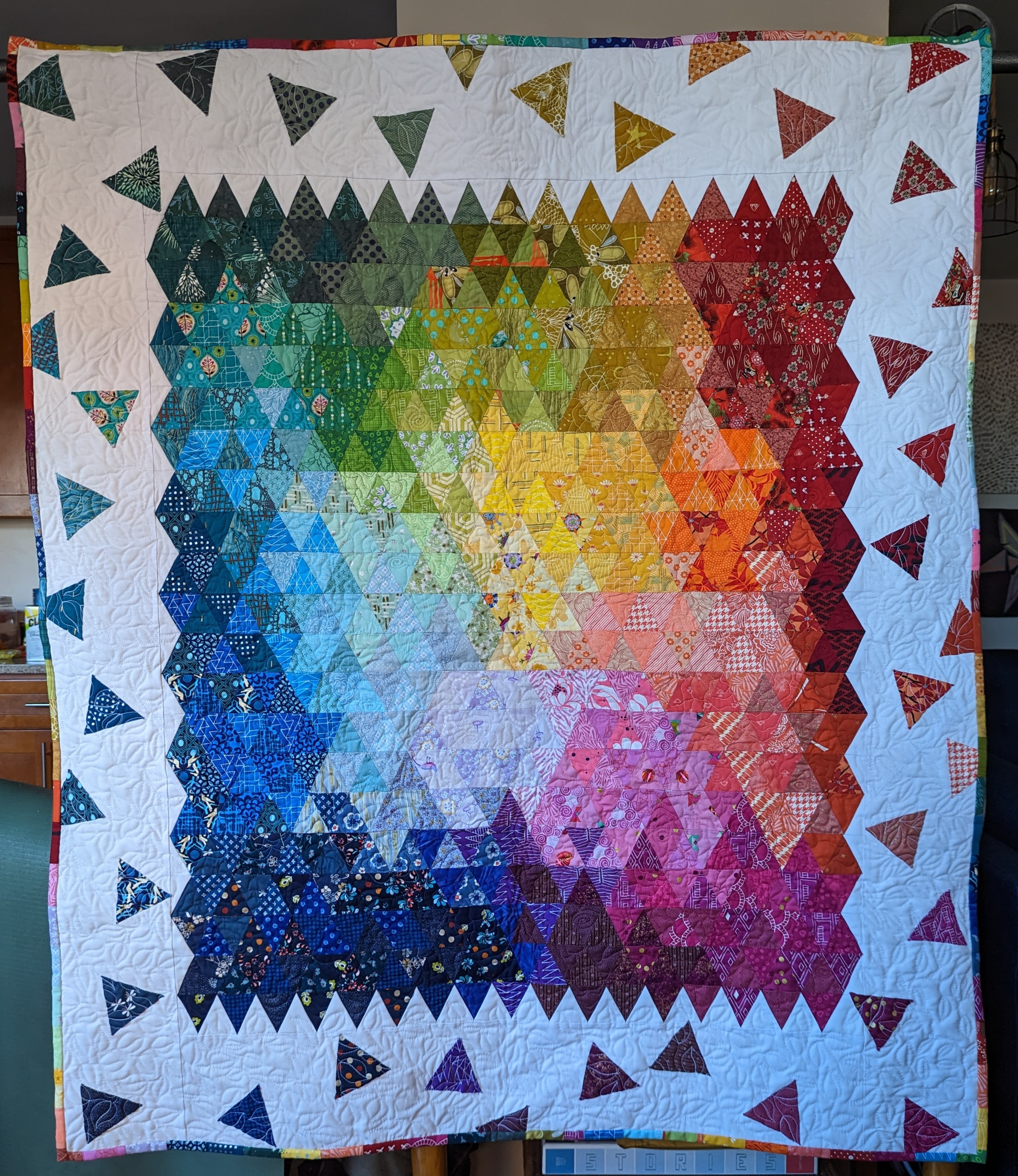
Community Garden

This 53″ x 46″ quilt was made for the 2023 Brooklyn Quilts! show put on by the Brooklyn Quilters Guild. It was completed in February 2023. It is mostly machine pieced with hand-appliqued triangles sewn on the borders. The middle panel is quilted with roses and the borders are quilted with leaves. The binding is a rainbow patchwork made with the same fabrics as the triangles.

Over the last year and a half, I’ve been very distressed by the growing amount of anti-LGBTQ+ rhetoric I’ve been hearing from American politicians. As a result, I’ve been working on a separate series of quilts that very explicitly express my feelings. When I began thinking of a new quilt for the upcoming BQG quilt show, I did not start out with the idea of continuing that series. However, as it all began coming together, I realized I had created another quilt that expresses a new facet of my feelings about our society, albeit a little more implicitly than my previous three quilts. The triangle and rainbow motifs are a somewhat obvious connection to the LGBTQ+ community. But taking a step back, I began to see some unintended symbolism of small beautiful color groups then joining together with neighboring groups to form a much larger, even more beautiful community. The idea being that it is perfectly normal and even healthy for people to belong to communities in which they feel safe and comfortable as long as they accept that their community is not the only or most important community that exists and that the world is so much more interesting when it is not homogenous.

Once I started putting the quilt together, I began picturing the rose garden at the Brooklyn Botanic Garden, and decided to use matching thread to quilt roses over the middle panel of triangles. You can see the quilting motif more easily on the back of the quilt which is pictured below. Welcome to my Community Garden.